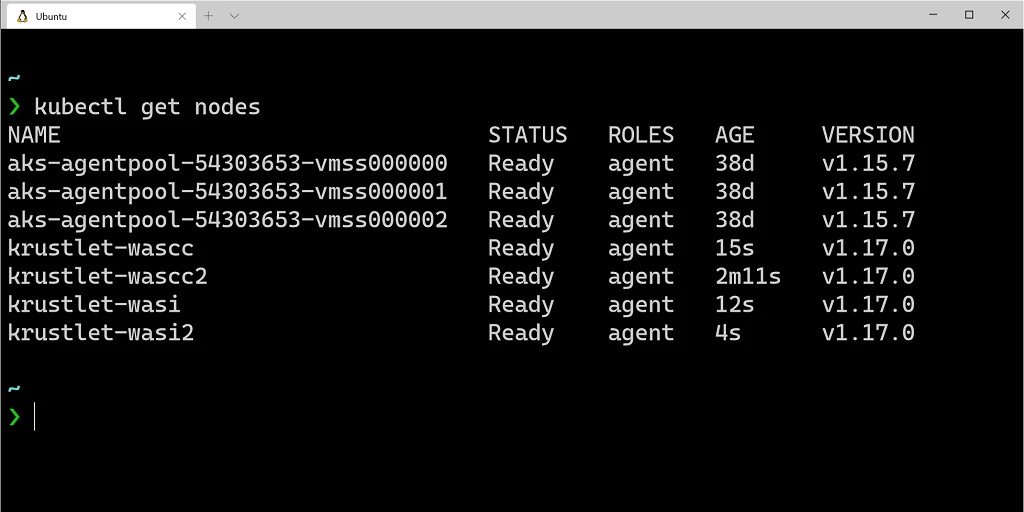
A Kubernetes cluster requires compute resources to run applications and these resources may need to increase or decrease depending on the application requirements.
The Open Compute Project (OCP) Global Summit, kicking off virtually on May 12, is where a vibrant and growing community will come together to help grow, drive, and support the open hardware ecosystem.
Yesterday, Helm became a graduated project in the Cloud Native Computing Foundation (CNCF), joining a select group of projects that the CNCF recognizes for achieving majority adoption by the cloud-native community.
Since the October 2019 announcement of the Distributed Application Runtime (Dapr), we have seen a tremendous response and the emergence of an engaged Dapr community.
Linux container technology has changed the face of computing, but especially distributed computing in publicly rentable servers commonly said to be “the public cloud” (like Microsoft Azure).
Last year Microsoft and Red Hat announced Kubernetes Event-driven Autoscaling (KEDA) – a way to bring event scale for any container or workload deployed into any Kubernetes cluster.
As more users take advantage of Kubernetes for their Windows applications, the Windows community in Kubernetes has been working on improvements that enable even more use cases.
Today we are announcing the release of Accessibility Insights for Android, a new addition to our family of open source tools that help developers find and fix accessibility issues early in the development process.